The Power of Appreciation in Healthcare

Healthcare is one of the most demanding professions in the world. Long hours, high-pressure situations, and the emotional toll of caring for patients can be overwhelming. For nurses especially, their role often goes beyond medical tasks; they provide care, compassion, and kindness during some of life’s most vulnerable moments.

Yet, in this fast-paced environment, one simple and powerful tool is often overlooked—the power of appreciation. A kind word of thanks, a hand-written note, or a simple acknowledgment can have a ripple effect, spreading positivity through entire healthcare teams.

How Appreciation Boosts Morale

When nurses feel appreciated for their work, it can profoundly impact their morale. Nursing is more than a profession; for many, it’s a calling. But even the most passionate caregivers can face burnout without recognition.

Hearing words of gratitude from patients, families, or peers reminds nurses why they chose their path, reigniting their sense of purpose. When someone pauses to say, “Thank you for what you do,” they affirm nurses’ value and dedication, lifting their spirits and sustaining them through the challenges they face.

Fostering Connection in the Workplace

Beyond individual interactions, appreciation fosters stronger connections within healthcare teams. When colleagues take time to acknowledge each other’s hard work, it creates a culture of mutual respect and support. Celebrating wins as a group—even small ones like getting through a busy shift or handling a challenging case together—builds camaraderie.

For healthcare administrators, incorporating appreciation into workplace culture can help decrease turnover rates and improve job satisfaction. Simple gestures, like acknowledging birthdays, personal milestones, or years of service, can make staff feel more valued and invested in their roles.

Appreciation as Motivation

Gratitude doesn’t just make people feel good; it drives action. Knowing that their efforts make a tangible difference motivates nurses to continue going above and beyond. This isn’t just good for morale, but also for patient outcomes. Happy, motivated nurses provide better care, engage more meaningfully with patients, and contribute more effectively to the team.

Practical Ways to Show Appreciation

If you’re wondering how to incorporate more appreciation into your healthcare setting, here are some simple yet effective ideas:

  • Verbal Recognition: Take a moment during shift huddles or team meetings to acknowledge outstanding work.
  • Thank-You Notes: A handwritten note to a nurse, administrator, or colleague can be incredibly meaningful.
  • Celebrate Achievements: Whether it’s Nurses Week, a work anniversary, or a job well done, acknowledge milestones and achievements.
  • Patient-to-Nurse Feedback: Create opportunities where patients and their families can express gratitude. This can be through surveys or even a formal thank-you board.
  • Peer Shoutouts: Encourage team members to highlight each other’s contributions.

A Simple Thank You Goes a Long Way

At its core, appreciation in healthcare is about fostering human connection. It’s about saying, “I see you, and I value the care you provide.” Whether it’s a nurse staying with a patient through the night, an administrator managing resources seamlessly, or a colleague lending a supportive hand during a tough shift, small acts of recognition can strengthen relationships and create a more positive, motivated workplace.

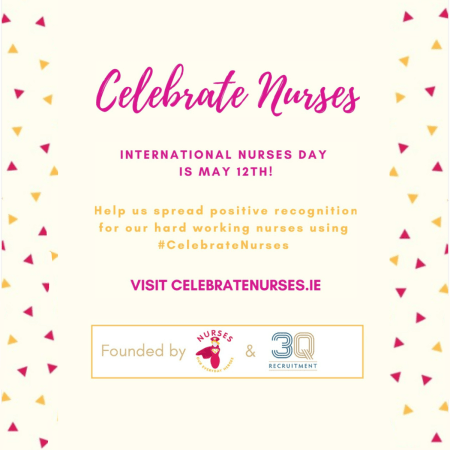
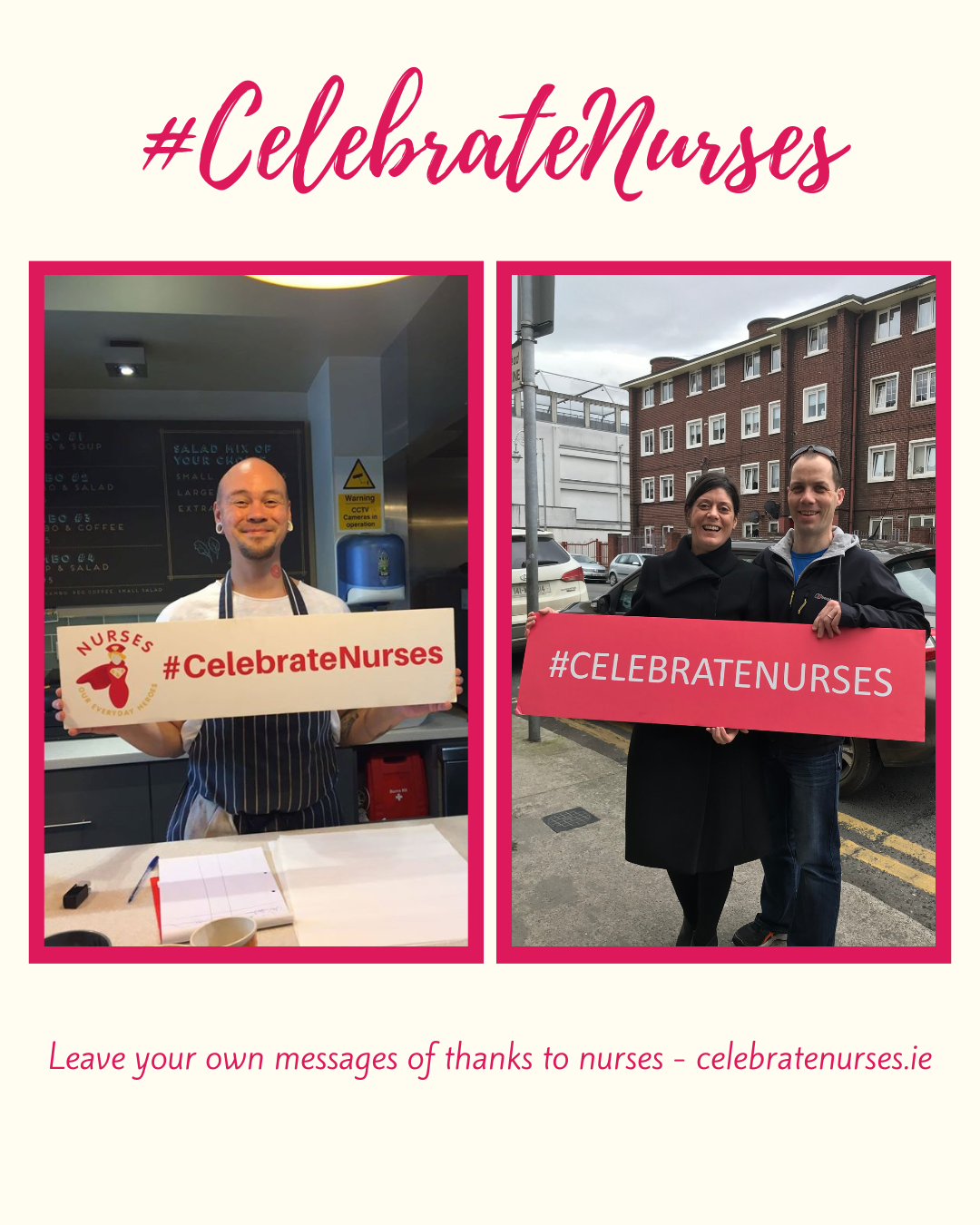
At 3Q Recruitment, we want to set an example for what appreciation can mean in healthcare, which is why we launched the #CelebrateNurses campaign back in 2012. Join us in sharing our love for the nursing community by sending in messages and stories of appreciation for the nurses who care for our communities. Visit our website celebratenurses.ie to learn more. We are accepting ‘thank you’ messages on social media with the hashtag #CelebrateNurses, by email to temps@3qrecruitment.ie, or directly to our dedicated website celebratenurses.ie. Visit the website to learn more about this exciting campaign.

Let’s never underestimate the power of taking a moment to say thanks. To all the nurses and healthcare workers out there, reading this right now—we appreciate you. Your hard work matters and the impact you make every day is as immeasurable as it is invaluable.

Feeling inspired to make a change? Let’s talk about how we can introduce more appreciation into your healthcare team.

Prioritising Nurse Wellbeing

Nurses are the undercelebrated backbone of healthcare. They work tirelessly to provide care, comfort, and expertise to their patients. The pressures placed on nursing professionals are immense – between long hours on their feet and regular encounters with emotionally demanding situations, this career is not for the faint of heart. Yet even with this backdrop, the importance of nurse wellbeing often takes a backseat, overshadowed by the urgency of patient care and system pressures.

After the challenges our world has faced in recent years – including the global pandemic, ongoing nursing shortages, political instability, and economic uncertainty – we have learnt a crucial lesson: advocating for and prioritising the wellbeing of nurses is a necessity.

The Unique Challenges Nurses Face

Healthcare workers, particularly nurses, face a range of challenges that impact their physical, mental, and emotional wellbeing. These include:

  • Long Hours and Physical Strain

Shift work and extended hours are common in the field, leaving little time for rest and recovery. Nurses often spend entire shifts on their feet, dealing with physically strenuous tasks such as moving patients and performing repetitive procedures.

  • High Emotional Demands

Caring for unwell patients, communicating with distressed families, and managing end-of-life scenarios are emotionally draining experiences that nurses handle regularly.

  • Nursing Shortages

The global shortage of nurses has added to their burden, with many workers taking on extra responsibilities and shifting between roles to fill gaps.

  • Burnout and Stress

Persistent stress without adequate support can lead to burnout, which not only impacts the individual but also reduces the quality of care provided to patients.

These challenges highlight the urgent need to embed nurse wellbeing into the heart of healthcare systems.

Why Nurse Wellbeing Matters

The ripple effects of prioritising nurse wellbeing go far beyond individual benefits. When nurses are supported, both patients and healthcare systems thrive. Here’s why focusing on their wellbeing matters:

  • Enhanced Patient Care

Nurses who feel rested, supported, and valued are better equipped to deliver compassionate, high-quality care.

  • Employee Retention

Addressing factors like burnout and stress can reduce staff turnover, ensuring healthcare systems retain experienced professionals.

  • Healthier Work Environments

Nurturing nurse wellbeing fosters a culture of positivity, collaboration, and mutual respect in workplaces.

  • Cost Savings

Investing in nurse wellbeing reduces costs associated with absenteeism, turnover, and healthcare errors.

Prioritising Wellbeing in the Nursing Community

Acknowledging the problem is a vital first step. The next is taking action. Below are some ways healthcare organisations can champion nurse wellbeing:

  1. Flexible Scheduling

Provide nurses with the option of balanced shift patterns or flexible schedules, ensuring adequate rest between shifts.

  1. Access to Mental Health Support

Make counselling, mindfulness programmes, and stress management workshops readily available.

  1. Improve Staffing Ratios

Advocate for adequate staffing to prevent the overload caused by nursing shortages.

  1. Create Spaces for Rest

Design hospitals and workplaces with proper rest areas where nurses can unwind during breaks.

  1. Foster Peer Support

Encourage peer-to-peer connection by facilitating nurse support groups or mentoring programmes.

  1. Recognise Hard Work

Celebrate achievements and milestones to show appreciation for nurses’ extraordinary efforts.

Lessons from the Pandemic

The pandemic brought the vulnerabilities of healthcare systems into focus, especially the invisible toll on those in scrubs. While it created extraordinary pressure, it also taught us valuable lessons:

  • The importance of psychological support for healthcare workers during crises.
  • The need for resilient healthcare infrastructure and staffing plans.
  • The true value of fostering solidarity and appreciation for nurses globally.

Now is the time to build on these lessons. We cannot afford to slip back into old patterns of neglect when it comes to supporting the wellbeing of healthcare workers.

Advocating for Change

Healthcare institutions, governments, and society at large must prioritise and normalise standards that protect nurse wellbeing. This includes investing in policies that promote workplace safety, creating opportunities for skill development, and ensuring that nurses have a platform to voice their concerns.

Let’s Stand Together

At its core, this is a call to action—not just for healthcare leaders but for every one of us. Nurses are there when we need them the most. Now, it’s our turn to ensure their wellbeing becomes a standard, not an afterthought.

To all nurses reading this, we want to say thank you. Behind the scenes, in the chaos, and at the bedside, your efforts do not go unnoticed.

Together, we can create a world where nurse wellbeing is woven into the fabric of healthcare. Use your voice, share your experiences, and join us in advocating for change.

Let’s make nurse wellbeing a global priority.

Website Powered by WordPress.com.

Up ↑